
{title}
{publish}
{head}

In Tu Vu Commune, where the Muong ethnic group predominates, gongs and drums are cultural symbols inseparable from the spiritual and material life of the community. The gong and drum culture here has been passed down and developed through many generations, rooted in the long-standing historical traditions of the Muong people in the Ancestral Land.
For the Muong people in Tu Vu, gongs and drums are not merely musical instruments; they are the “soul” and voice of the community, reflecting the full range of emotions from joy to sorrow in both daily life and labor activities. From the moment a newborn cries for the first time, the sound of the drum echoes joyfully to announce the arrival of a new member to the community, and until the moment of death, the rhythm of the gong accompanies the entire lifecycle of an individual.
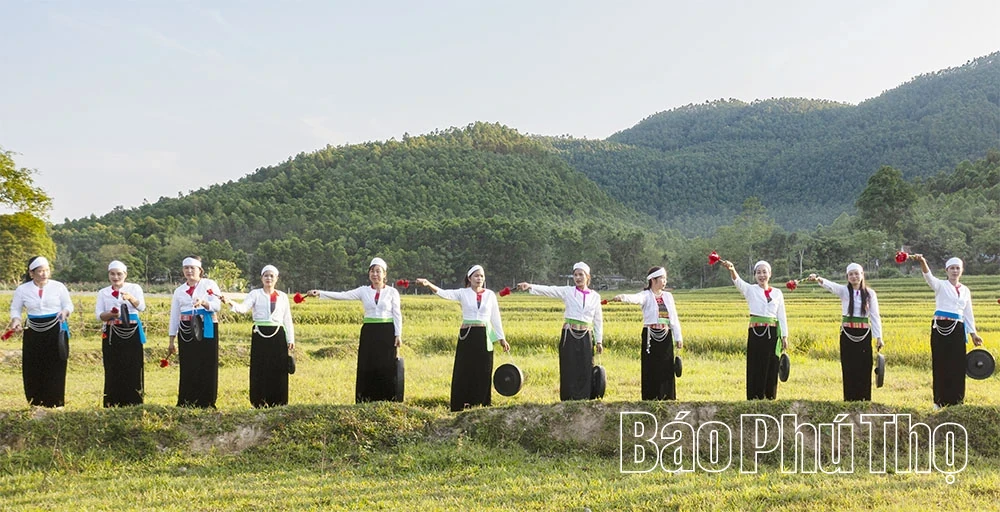
During traditional festivals, from the new rice celebration to the harvest and various ritual ceremonies communicating with deities, gongs and drums serve as a medium to connect humans with the supernatural, carrying the wishes and desires of the people.
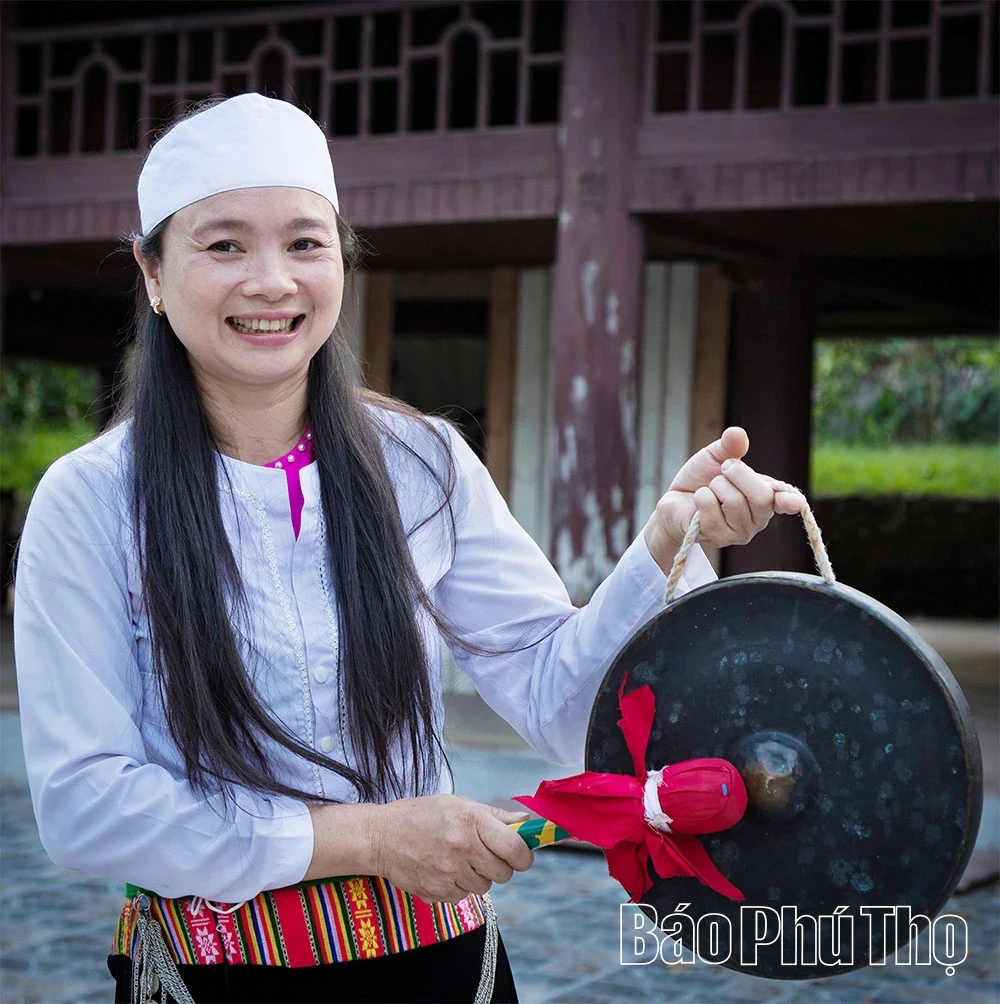
To master the gong and drum, Muong girls must not only be diligent in their learning and quick to grasp the rhythms, but also possess a deep love for this unique traditional instrument passed down through generations.
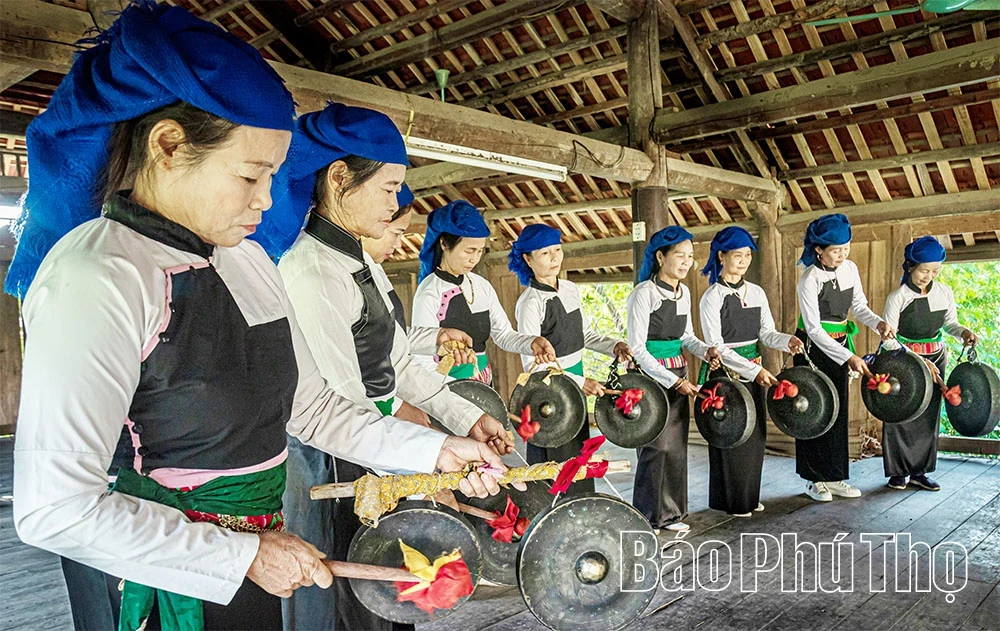
The preservation and promotion of the gong and drum culture in Tu Vu is a collective effort by local authorities and the community, through training classes and teachings from artisans.
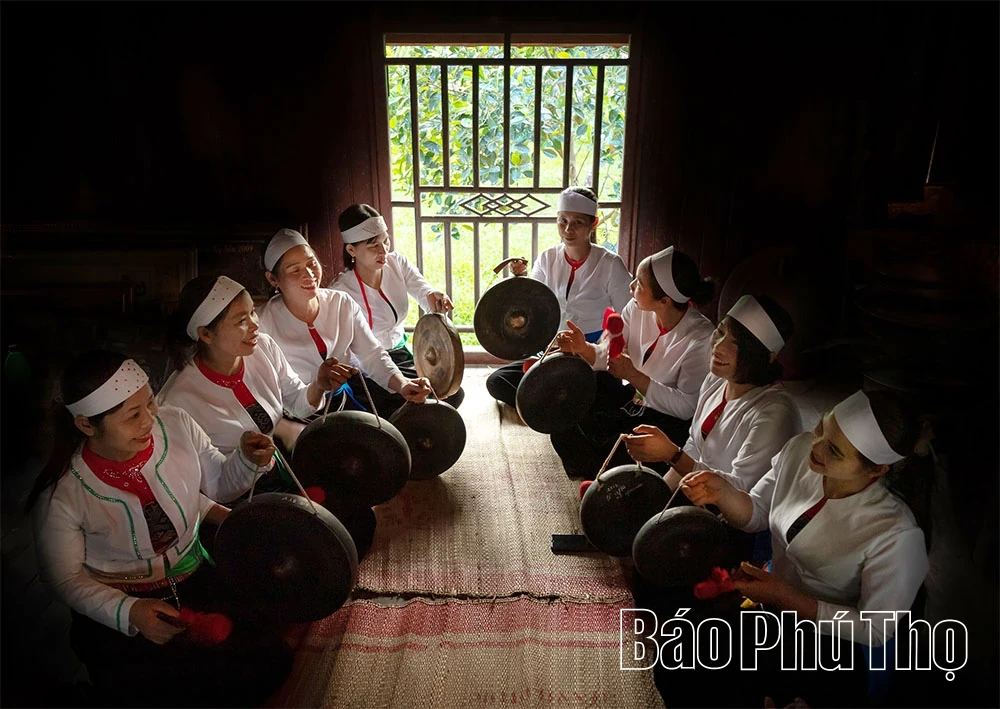
Muong women in Tu Vu are particularly fond of playing gongs and drums – instruments passed down from the passion of grandmothers and mothers to the current generation.
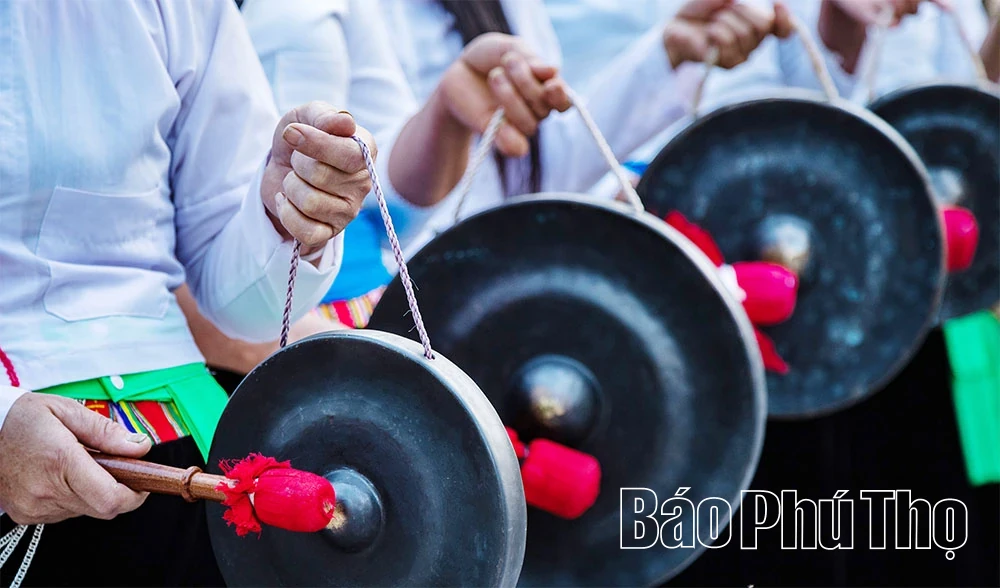
When the rhythm of the gong and drum resonates, the heart of the player is opened, and their spirit merges with the beats, spreading joy like the sound of a celebration during a village festival.
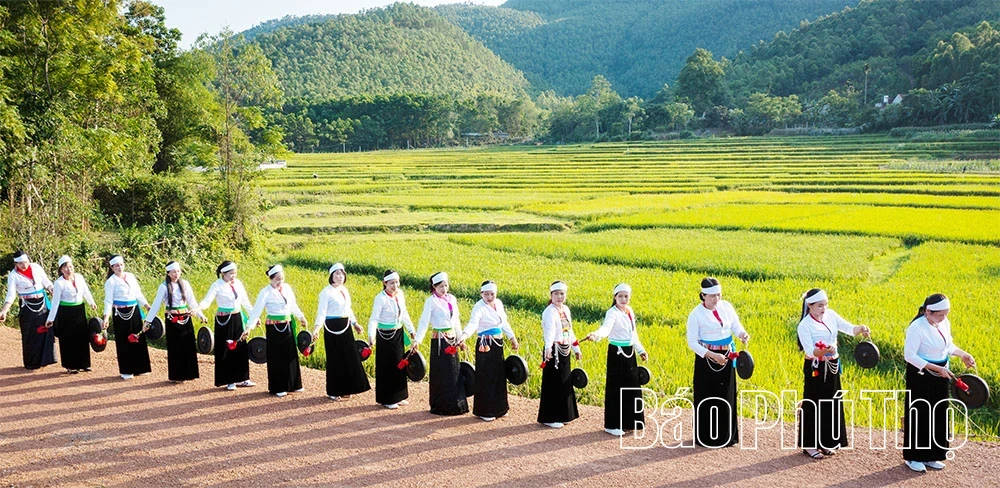
The gong and drum are also a reflection of the emotional spectrum of the people, from happiness and sorrow in daily life and labor activities.
Quoc Hoi - Thu Quyen

baophutho.vn On a pilgrimage to the Ancestral Land to offer incense in memory of the Hung Kings at the Hung Kings Temple Historic Site, visitors do not only...

baophutho.vn Son Dong - The land of scholars and heroic spirit

baophutho.vn In the traditional culinary treasury of the San Diu people, Banh Nghe (Nghe Cake) is a rustic delicacy that embodies a rich cultural identity....

baophutho.vn Flavors of the Muong homeland

baophutho.vn As the ancestral land of the Vietnamese nation—the birthplace of the Hung Kings' era of nation-building—Phu Tho has long been regarded as a...

baophutho.vn On March 3 (the 15th day of the first lunar month), at the Lang Suong Temple National Historic Site, Tu Vu Commune officially opened the 2026...

baophutho.vn “Sac bua” - A spring blessings

baophutho.vn In the traditional cultural space of the Muong people, the hearth is not merely a place for cooking or warmth; it is the sacred heart of every...

baophutho.vn The Tro Tram Festival (also known as the Linh Tinh Tinh Phoc Festival), held on the 11th and 12th days of the first lunar month in Phung Nguyen...

baophutho.vn On February 26 (the 10th day of the first lunar month), Mai Ha Commune solemnly and joyfully organized the 2026 Xen Muong Festival. Attendees...
Editor-in-chief: Vi Manh Hung
License No.154/GP-BTTTT dated March 3,2022 by the Ministry of Information and Communications.
Address : No.Nguyen Tat Thanh street, Viet Tri ward, Phu Tho province
Tel: (0210) 3846.508; (0210) 3855.303
Email: info@baophutho.vn
Website: baophutho.vn
Copyrights Phu Tho Newspaper; All rights reserved
