
{title}
{publish}
{head}

Amidst the vast, low-lying rice fields of the Gieng area in Vinh Phu Commune, Phu Da Temple (also known as the Stone Temple) has quietly endured through hundreds of years. It stands as a witness to time, preserving exceptional values of history, architecture, and the art of stone sculpture.
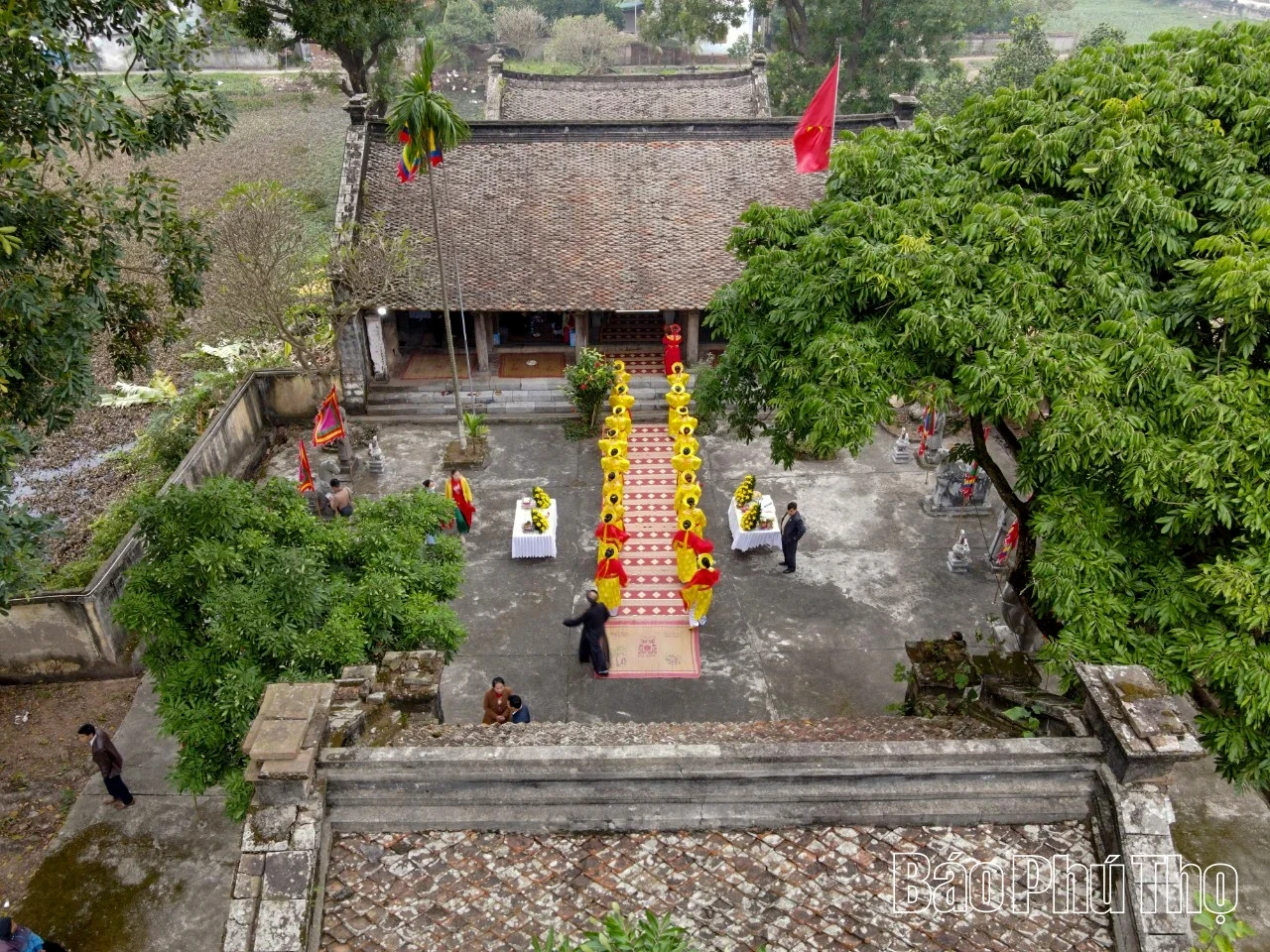
The temple impresses with its ancient, solemn appearance and, in particular, the pervasive presence of “stone” throughout its architectural space.
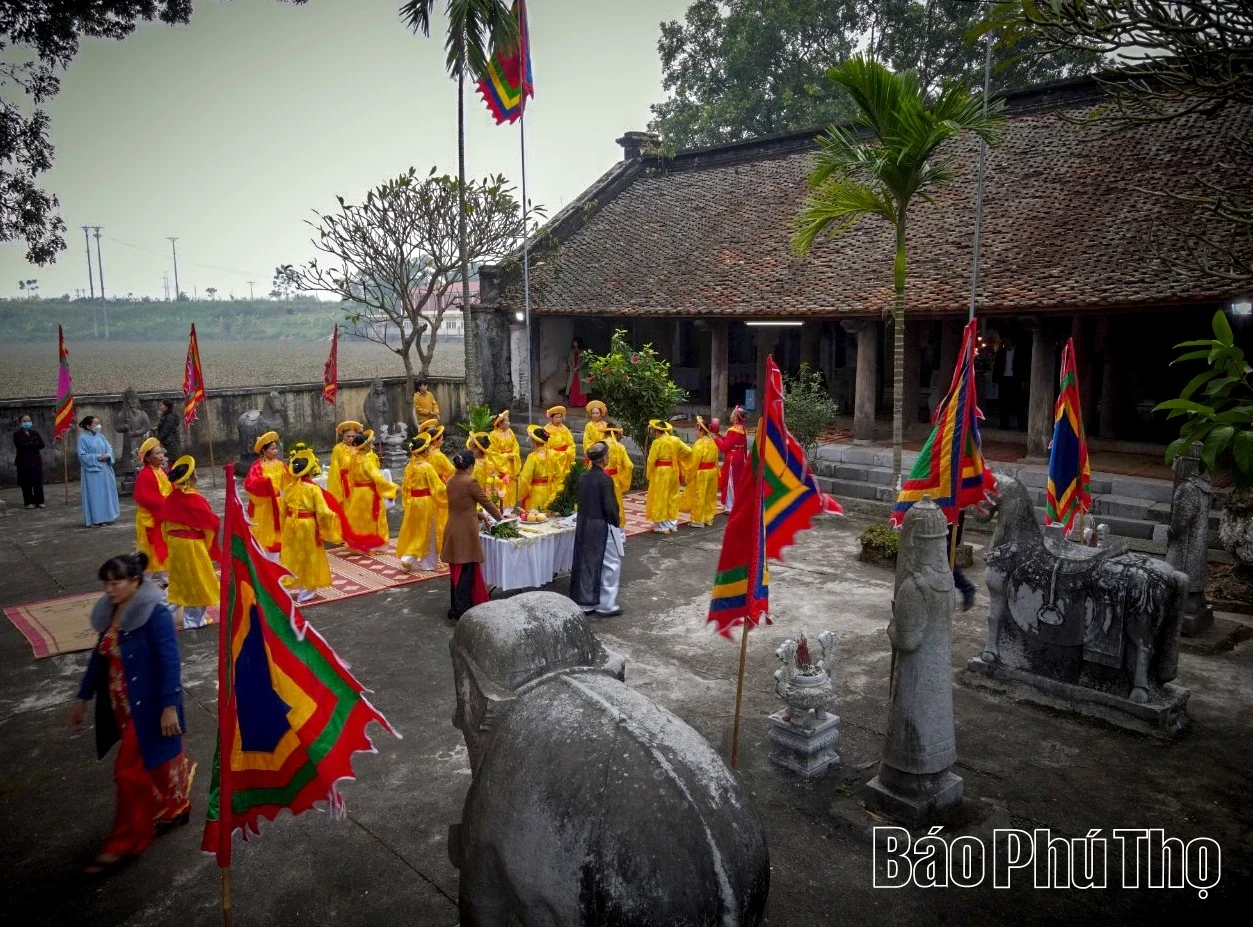
According to historical records, Phu Da Temple was once the private residence and villa of Lang Phuong Hau Nguyen Danh Thuong, a prominent figure in 18th-century society. Despite historical upheavals, wars, and the erosion of time, the temple has retained its fundamental architectural features almost intact.
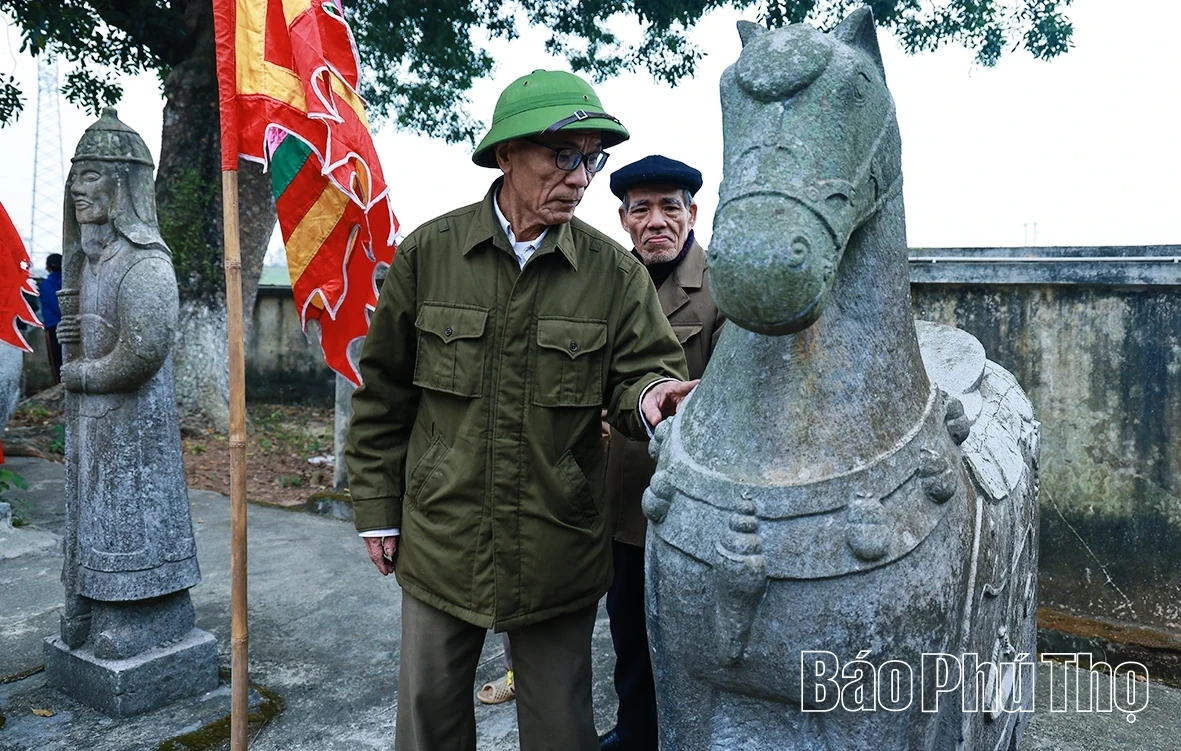
From the system of artifacts...
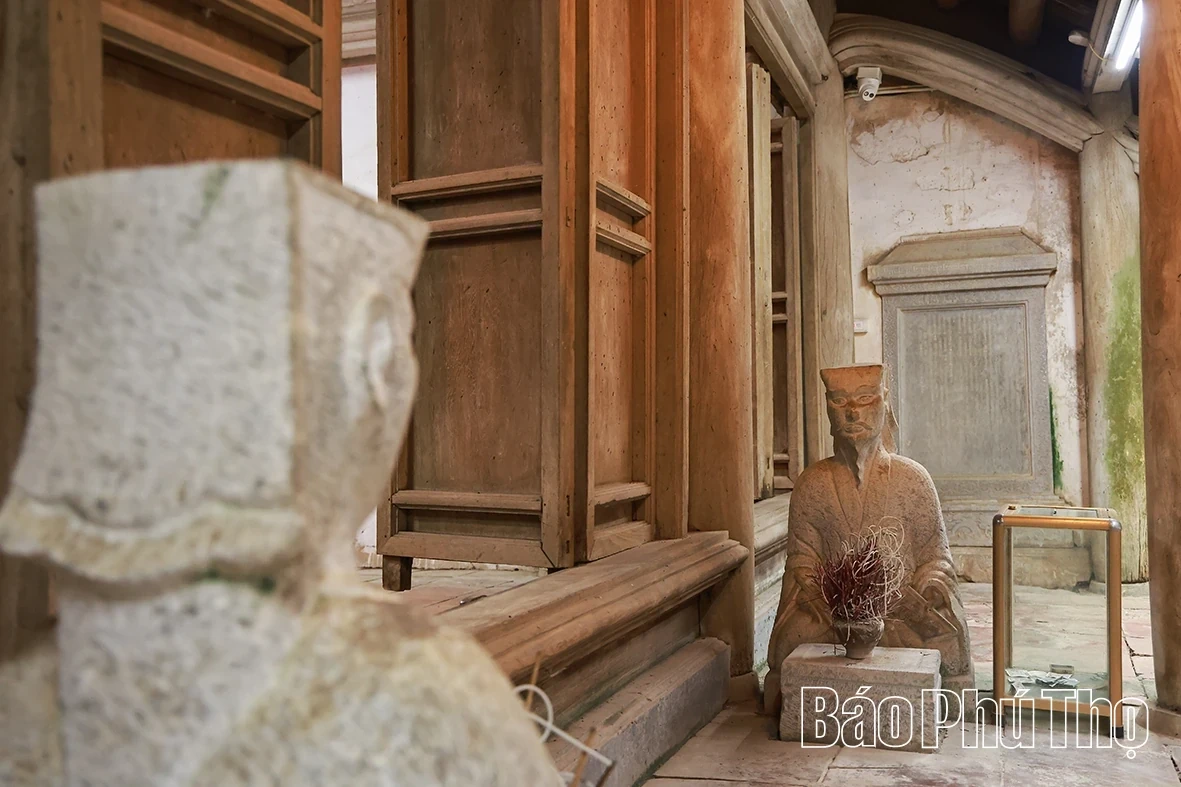
...to the worship statues, everything is crafted from stone with elaborate and sophisticated carvings.
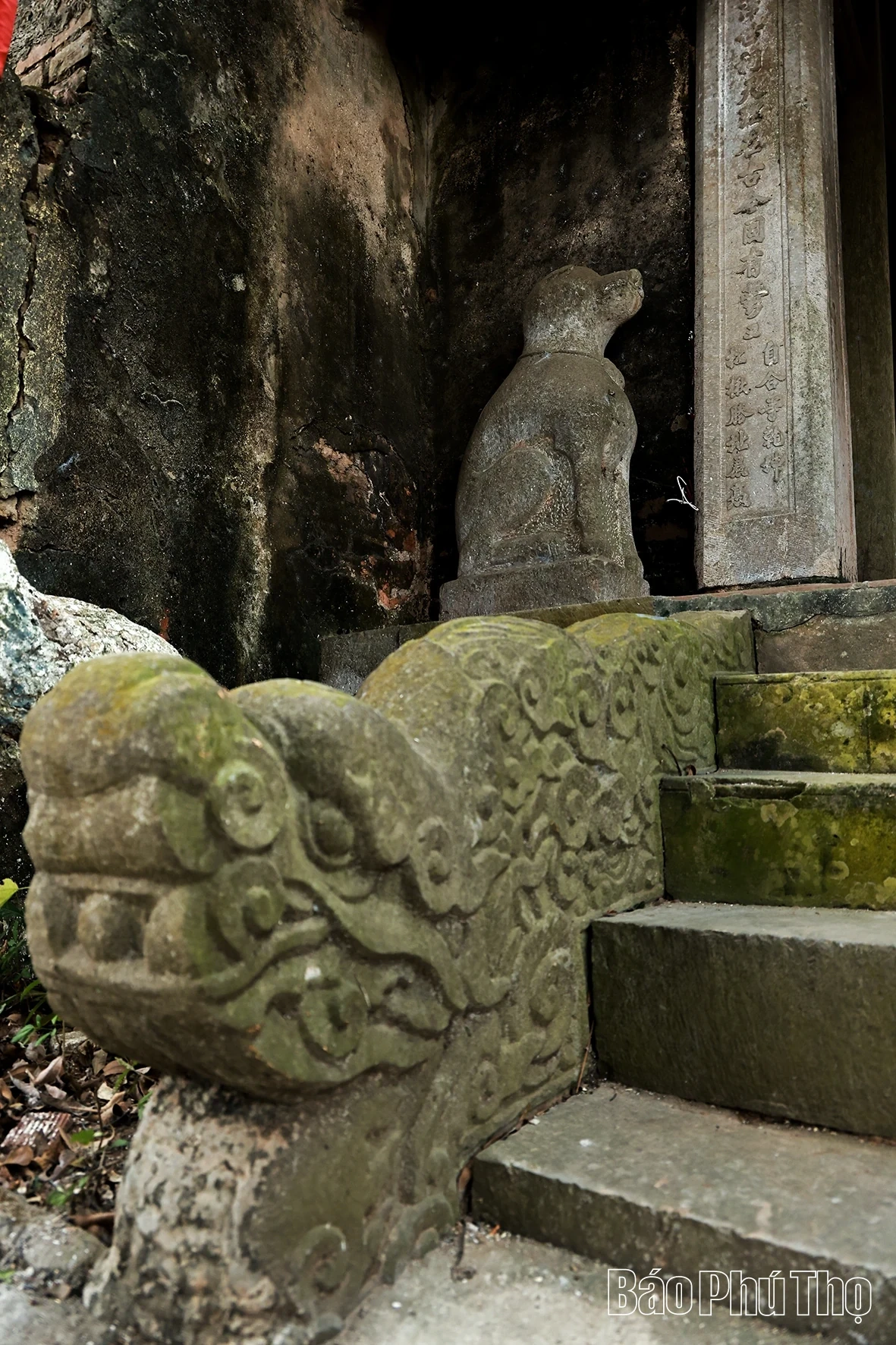
Stepping through the temple gates, visitors feel as though they have entered an outdoor stone museum. From the column bases and steps to the railings, statues, and ritual objects, everything is meticulously crafted from solid blue stone.
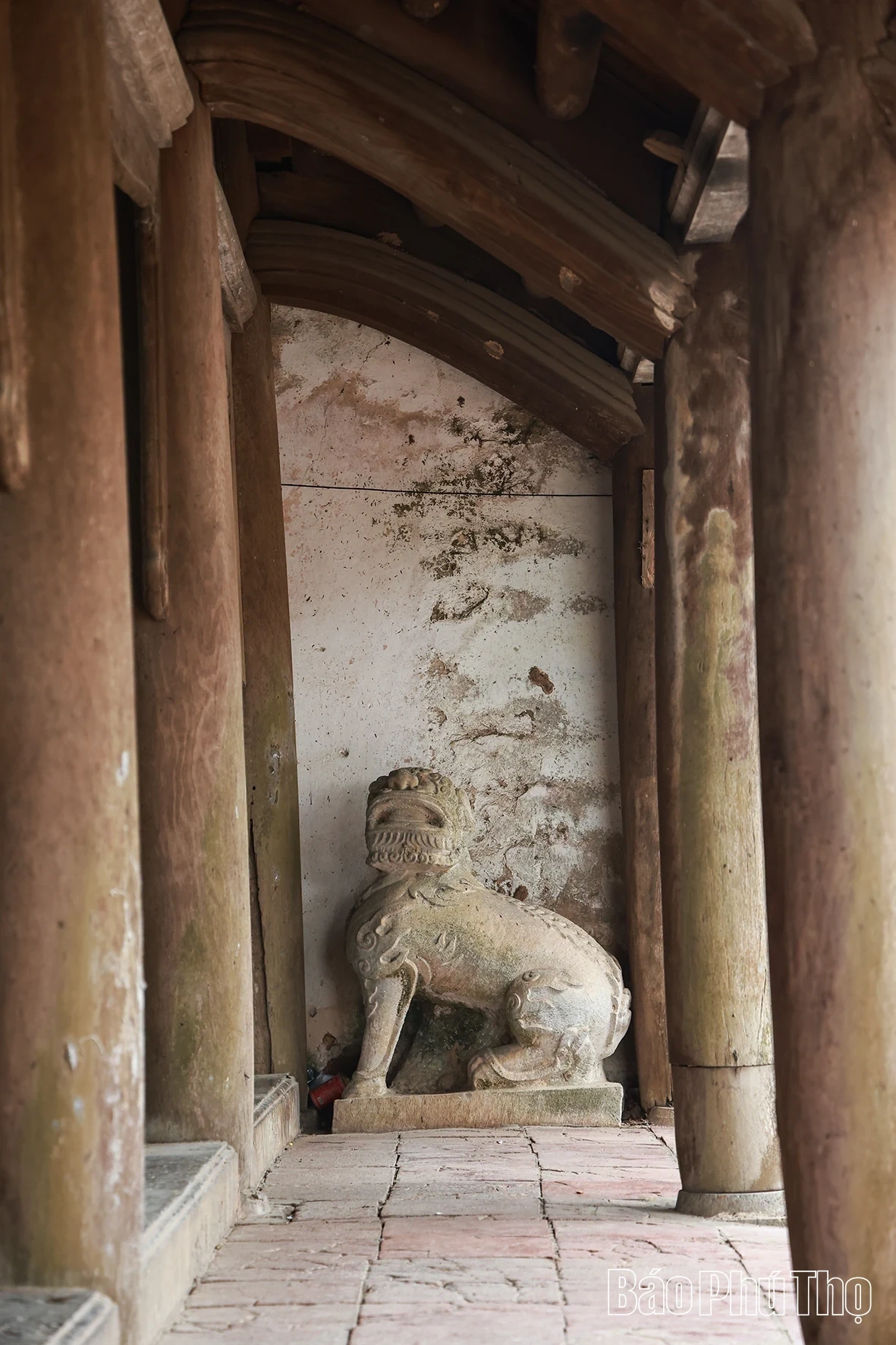
The carved lines, though weathered by time, still exude vitality, showcasing the superior craftsmanship of ancient artisans.
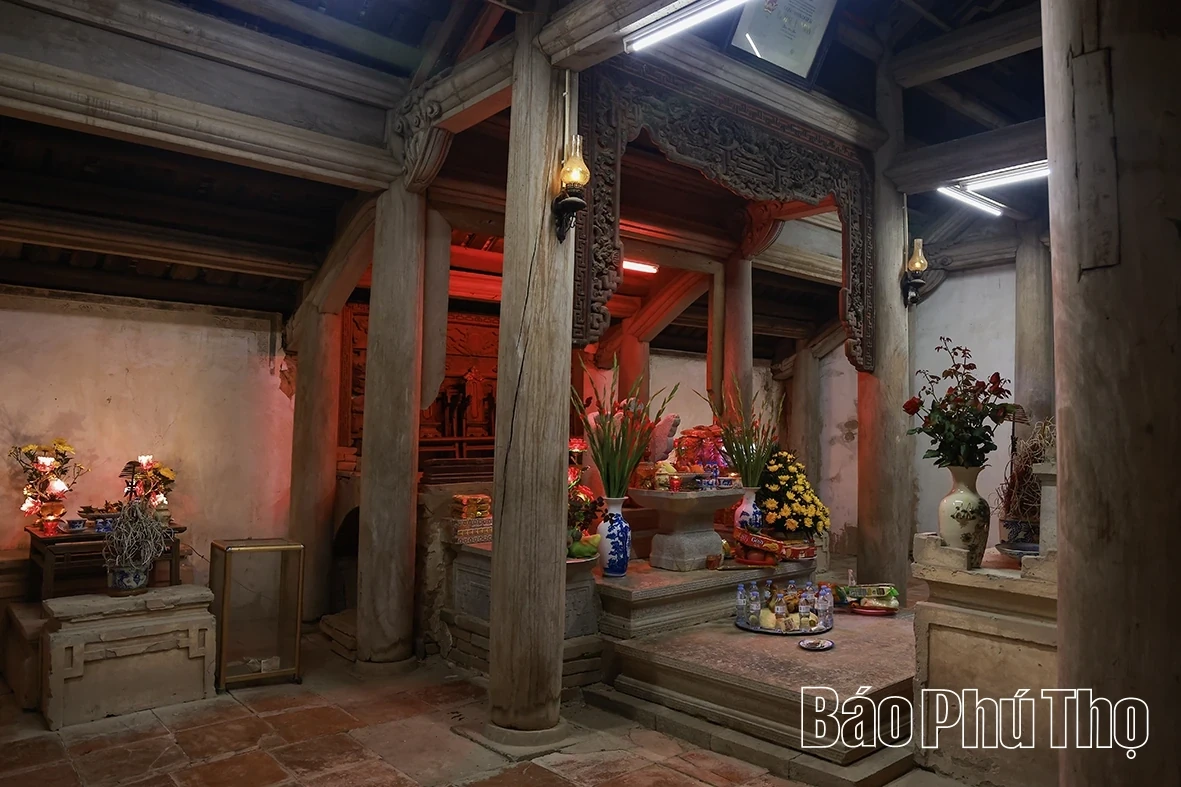
The inner sanctum—the most sacred part of the temple—leaves a powerful impression with its profound silence and majesty.
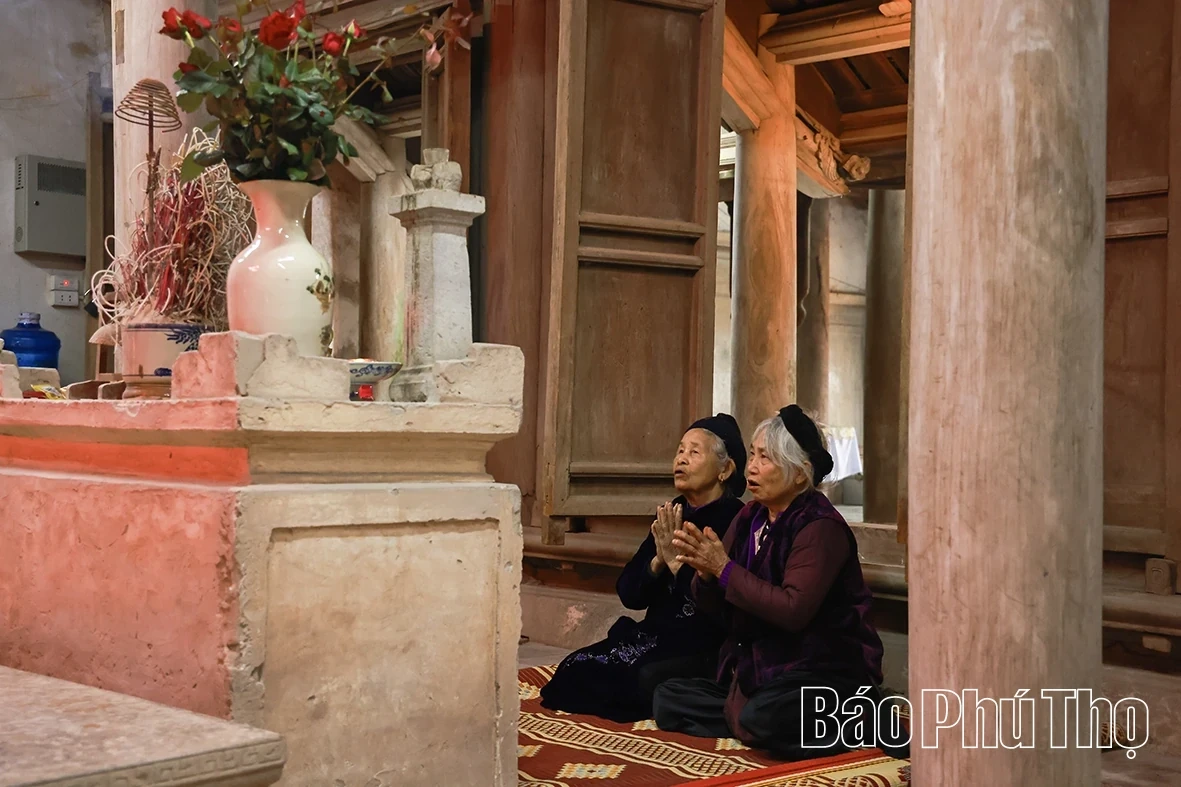
For generations, this has been a familiar spiritual space where locals place their faith, praying for peace, favorable weather, and a prosperous life.
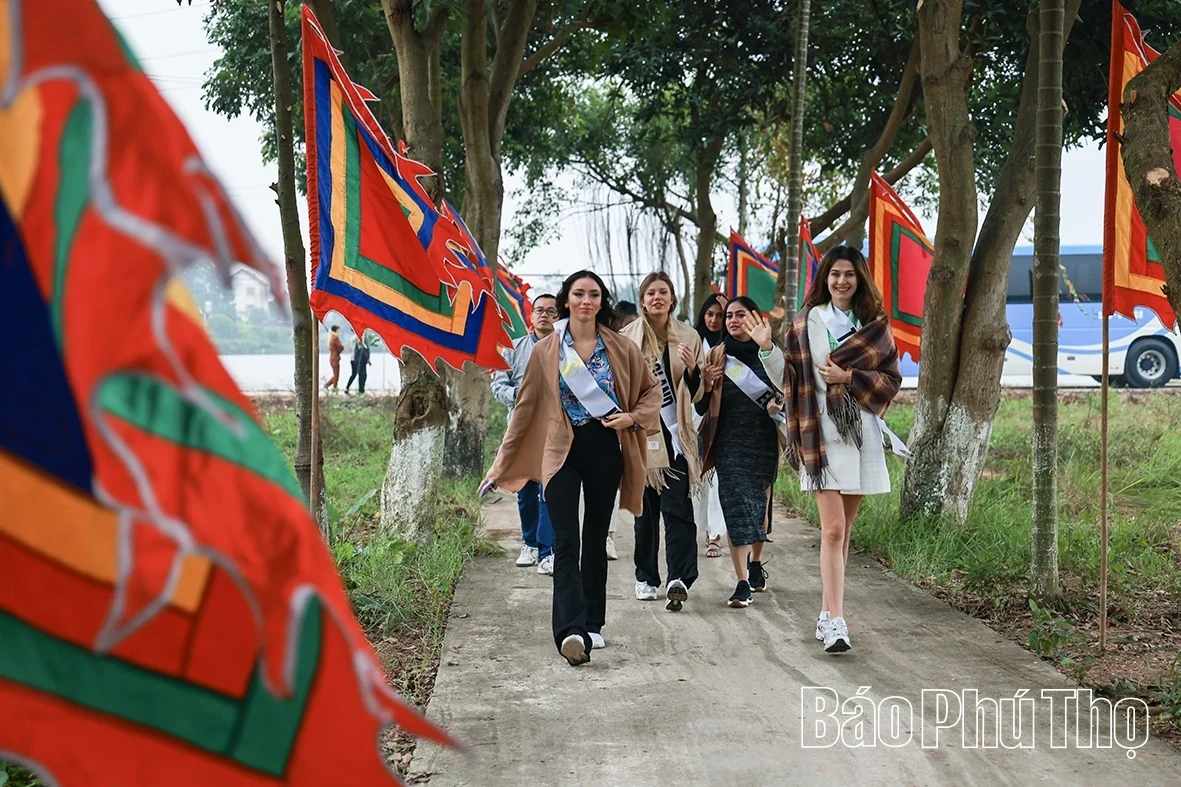
Today, Phu Da Temple not only attracts locals but has increasingly become a fascinating destination for international tourists.
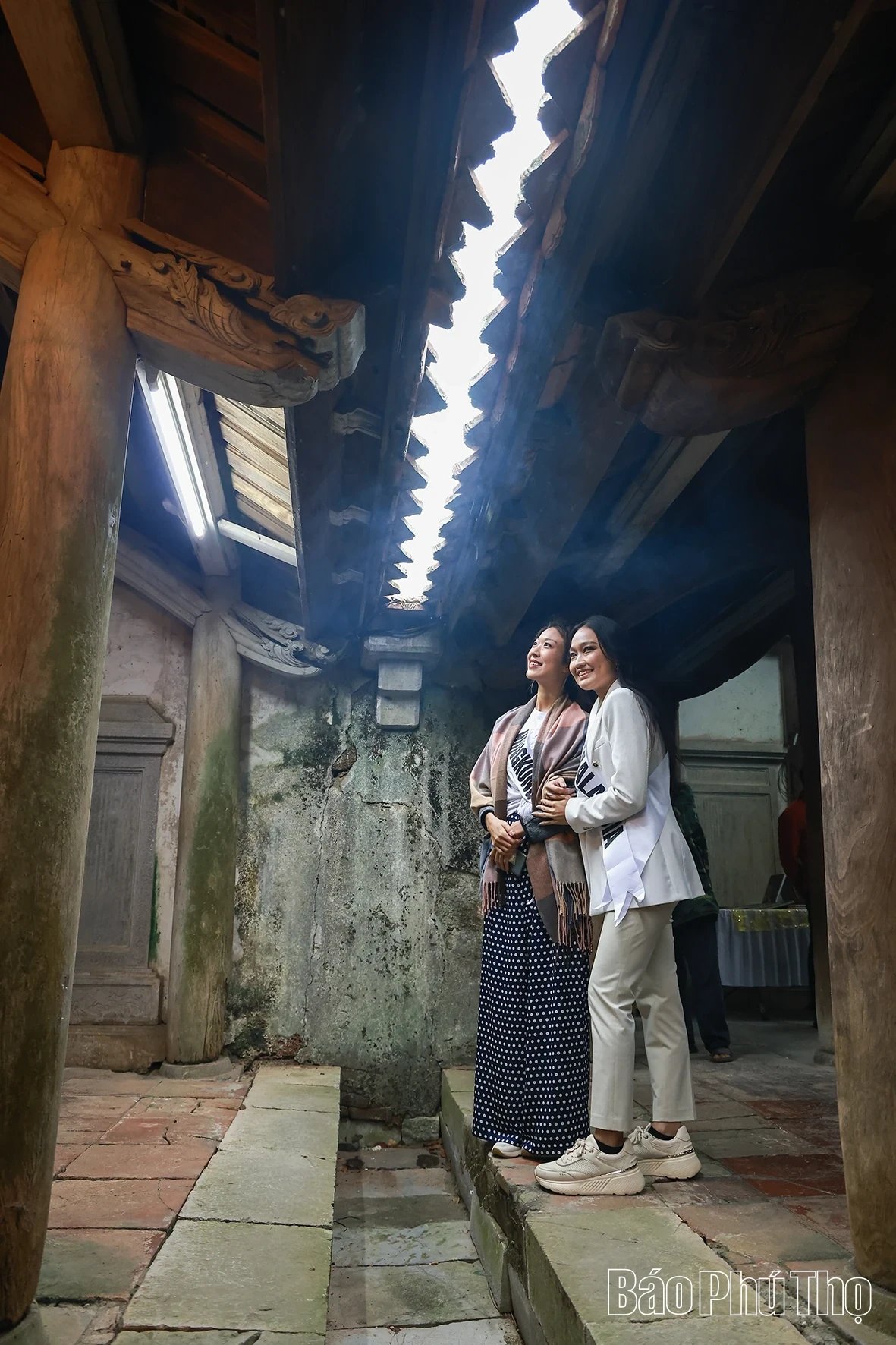
They take photos and explore the history, unable to hide their amazement at the architectural and sculptural prowess of the Vietnamese people from centuries ago.
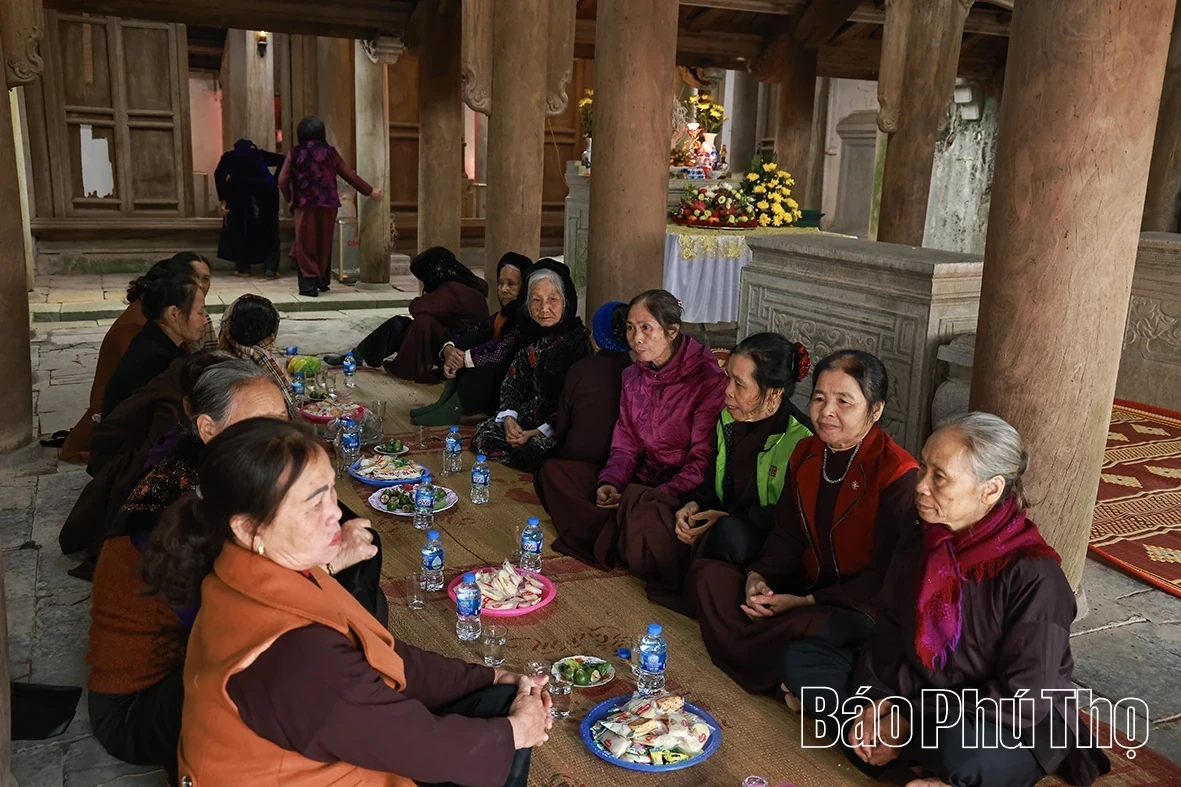
Amidst the rhythm of modern life, Phu Da Temple quietly exists as a necessary moment of reflection, allowing people today to return to their roots.
Le Minh

baophutho.vn In preparation for the Hung Kings' Commemoration - Hung Temple Festival and the Ancestral Land Culture and Tourism Week 2026, the Star Eco...

Xen Muong – a distinctive festival of the Thai ethnic community

baophutho.vn In the early days of April, preparations for the Hung Kings' Commemoration - Hung Temple Festival and the Ancestral Land Culture and Tourism...

baophutho.vn With the advantage of natural hot mineral resources, an increasingly sophisticated tourism infrastructure, and a powerful wave of investment...

baophutho.vn On April 8, an international Famtrip (Familiarization trip) delegation consisting of several global travel enterprises conducted a survey of...

baophutho.vn On the evening of April 8, the Phu Tho Provincial Tourism Association, in collaboration with the Vietnam Tourism Association, held a meeting...

baophutho.vn Every March of the lunar calendar, millions of Vietnamese hearts, regardless of where they are, turn toward Nghia Linh—the ancestral land of...

baophutho.vn In the early days of April, as the entire nation turns its heart toward the Hung Kings' Commemoration - Hung Temple Festival, the ancient...

baophutho.vn These days, at the Hung Temple Historical Site, construction units are urgently accelerating the progress of various items to serve the Hung...

baophutho.vn Xoan costumes echoes of the Hung Kings era
Editor-in-chief: Vi Manh Hung
License No.154/GP-BTTTT dated March 3,2022 by the Ministry of Information and Communications.
Address : No.Nguyen Tat Thanh street, Viet Tri ward, Phu Tho province
Tel: (0210) 3846.508; (0210) 3855.303
Email: info@baophutho.vn
Website: baophutho.vn
Copyrights Phu Tho Newspaper; All rights reserved
