
{title}
{publish}
{head}

Nestled on the ancient land by the winding Red River, Bac Cung Temple (also known as Thinh Temple) in Tam Hong Commune, Phu Tho Province, stands as a vibrant spiritual museum, deeply connected with generations of people from the midland region.
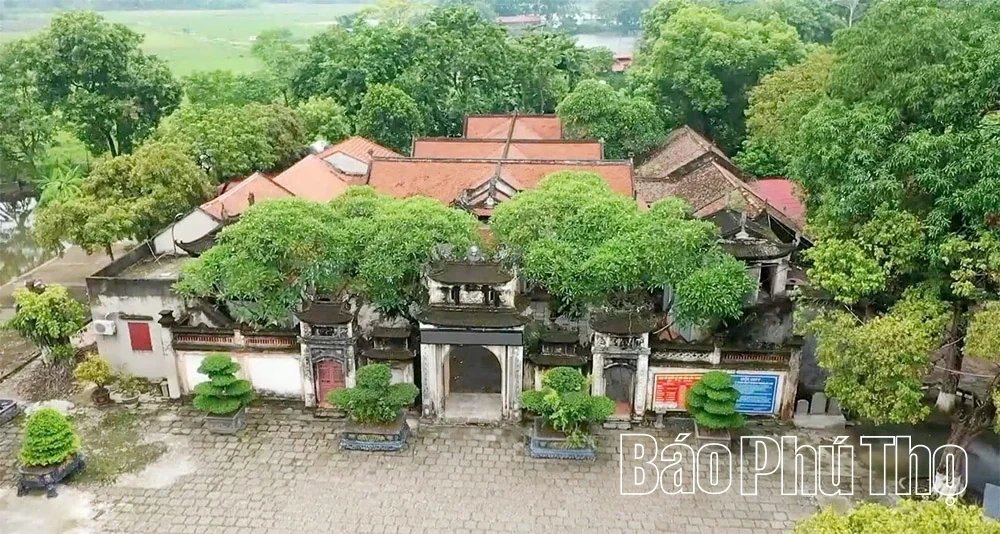
Bac Cung Temple is not just a local shrine but also plays a crucial role as the “North Palace” in the system of Four Palaces (Tu Cung) dedicated to the worship of King Tan Vien (Son Tinh), the deity who holds the highest rank among the Four Immortals. Along with the West Palace, South Palace, and East Palace (located in Son Tay), Bac Cung Temple is a living testament to the history, culture, and beliefs surrounding the worship of Tan Vien Son Thánh, as well as the ancient Vietnamese aspiration to conquer nature.
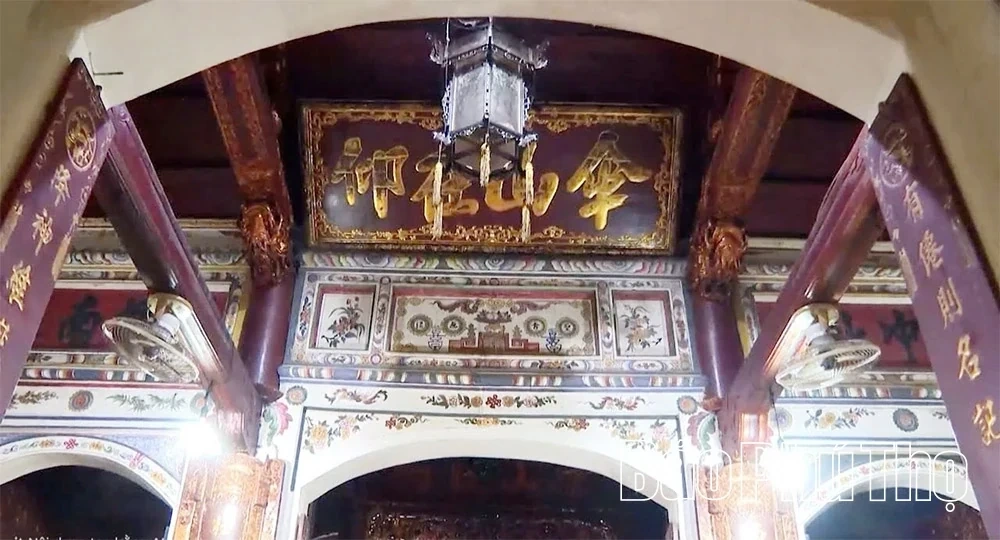
The origins of Bac Cung Temple date back approximately 2,000 years to a small shrine dedicated to King Tan Vien. During the reign of King Ly Than Tong (1072-1128), the shrine was rebuilt into a larger temple. Over the centuries, the temple underwent several renovations, particularly during the reigns of Emperors Thanh Thai, Duy Tan, and Khai Dinh. Today, the temple stands with its majestic, ancient appearance and was officially recognized as a National Historical and Cultural Monument in 1992.
Mr. Chu Quy Phi, Deputy Head of the Bac Cung Temple Management Board, shared: “The temple still houses many valuable artifacts, such as the stone steles from the Khai Dinh and Bao Dai periods, along with gold-leafed ceremonial items, intricately carved reliefs, dragon and phoenix altars, and wooden structures decorated with four sacred animals. These items are not only spiritual assets but also priceless artistic heritage that should be preserved and regularly showcased.”
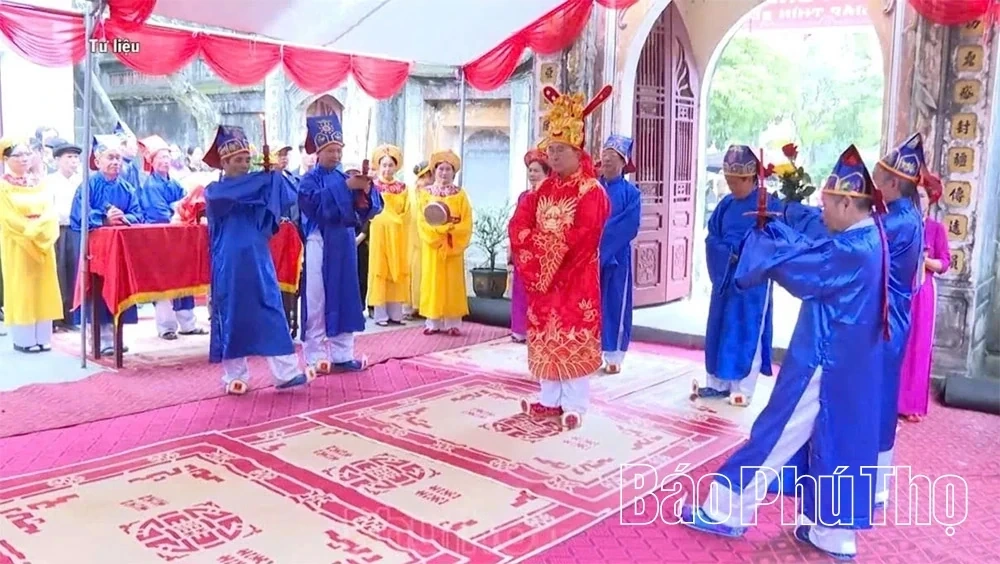
Annually, from the 6th to the 15th day of the first lunar month, the Thinh Temple Festival is held with great ceremony, attracting a large number of locals and visitors from all over the country.
Along with the rich system of historical sites in the area, Thinh Temple is a key highlight in the spiritual and cultural tourism journey of Phu Tho Province. The preservation and promotion of the temple’s value, linked with sustainable tourism development, is a priority for the local authorities.
Ngoc Thang

baophutho.vn These days, the festive atmosphere has become palpable around the Du Yen Temple area (Chi Tien Commune). Along the roads leading to the...

Preserving the Trong Quan Duc Bac singing tradition

Tam Dao in the mist

baophutho.vn Every spring, the Hung Kings’ Temple Historic Site welcomes tens of thousands of respectful footsteps. Atop the sacred Nghia Linh Mountain,...

baophutho.vn Located at a significant altitude above sea level, Da Trang Pass, with its perilous curves, is often likened to a white silk ribbon draped...

baophutho.vn During this year’s Lunar New Year and early spring festival, the Au Co Mother Temple in Hien Luong Commune welcomed over 300,000 pilgrims and...

baophutho.vn One of the most unique and natural masterpieces of communal house gates in the Ancestral Land is found in Phu Hau village, Son Dong commune....

Spring celebrations with Xoe Thai dance

baophutho.vn Every spring, as the mist lingers over the surface of Hoa Binh Lake, thousands of pilgrims from across the country eagerly board boats and head...

Xoe dance – the unique cultural symbol of the ethnic people
Editor-in-chief: Vi Manh Hung
License No.154/GP-BTTTT dated March 3,2022 by the Ministry of Information and Communications.
Address : No.Nguyen Tat Thanh street, Viet Tri ward, Phu Tho province
Tel: (0210) 3846.508; (0210) 3855.303
Email: info@baophutho.vn
Website: baophutho.vn
Copyrights Phu Tho Newspaper; All rights reserved
